


Therapeutic Harp in End-of-Life Journeys

Updated: Aug 30, 2025
The harp is often associated with angels, and the imagery of harp-carrying angels can symbolise our passage from this world to the next.
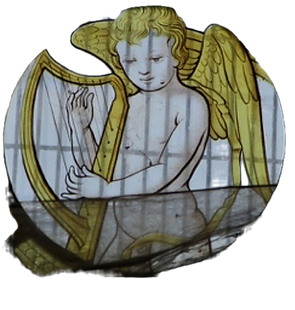
The harp, with its resonance and mellow tones, is ideally suited for therapeutic music, and it seems appropriate that it be the instrument of choice for therapeutic musicians offering end-of-life care. Live therapeutic harp played at the bedside can help to promote peaceful end-of-life journeys, as well as comfort for family and friends.
Each person’s end of life journey is as individual and unique as their birth experience and life story. Yet, we would all desire a peaceful death. Therapeutic harp can help to achieve this aim, as a specialty area of palliative care, by musically creating a peaceful space for stillness, reflection and repose. The role of the therapeutic musician at this time is not to impose, but to walk beside ~ allowing the patient to choose the pace.
When we listen to music, our brains need to process the sounds before we can ‘hear’ them. Complex music requires greater effort and energy for this process, which may be an unnecessary burden for the listener who is unwell or dying. Therefore, therapeutic music is deliberately simple and uncomplicated with ample space between notes to allow the brain time to process and assimilate the sound. Therapeutic music for end-of-life is often characterised by a style that is void of rhythm and structure, with long pauses, to help the recipient ‘let go’ of their earthly ties. As hearing is the last of the senses to remain, therapeutic music can offer comfort and support in the final moments of life, even when the patient is unconscious.
End of life journeys can be a special and sacred time, and for many people this will mean that they seek comfort from their spiritual life. Whereas therapeutic music generally would not have any identifiable religious affiliation, awareness of the dying person’s faith or personal beliefs opens up the possibility for culturally sensitive and faith appropriate music to be offered at this special time.
For those with a belief in an afterlife and angels, the imagery of angelic beings assisting the soul on its journey from this world to the next, accompanied by angelic sounds of the harp, may bring comfort to the dying beyond mere symbolism.
Comments